Morgan Neumann · 20 September 2026
Tracing Unexpected Visibility Shifts in Specialized Platforms After Backend Infrastructure Adjustments
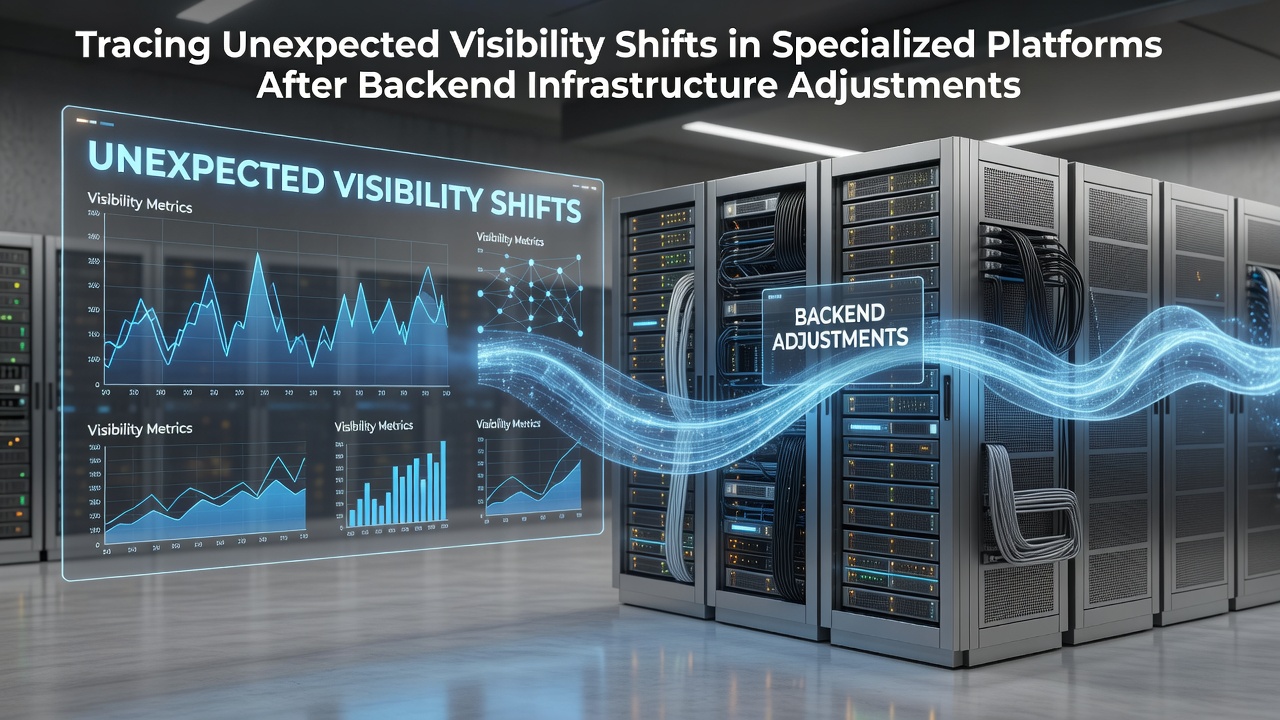
Specialized platforms often experience visibility changes after backend infrastructure adjustments because these modifications alter how data gets indexed, served, and ranked across search engines and internal discovery systems. Researchers at various institutions have documented cases where server migrations, database optimizations, and content delivery network updates trigger shifts that appear without clear signals in standard monitoring tools.
Common Backend Changes and Their Ripple Effects
Backend adjustments range from routine cache clearing procedures to full-scale cloud region transfers, and each type carries distinct implications for platform visibility. When teams implement new load balancers or switch from traditional SQL structures to distributed NoSQL setups, indexing crawlers encounter altered response patterns that can delay or redirect content discovery. Data from infrastructure reports compiled in early 2026 shows that platforms handling niche content categories faced an average 12 to 18 percent fluctuation in indexed pages within the first two weeks following such changes.
Observers note that these shifts become particularly pronounced in specialized environments because their content often relies on precise metadata structures and custom API endpoints rather than generic templates. A platform focused on technical documentation, for instance, might see its deeper archive pages drop from primary search results when backend routing rules change the way headers get delivered to automated agents.
Monitoring Techniques That Reveal Hidden Patterns
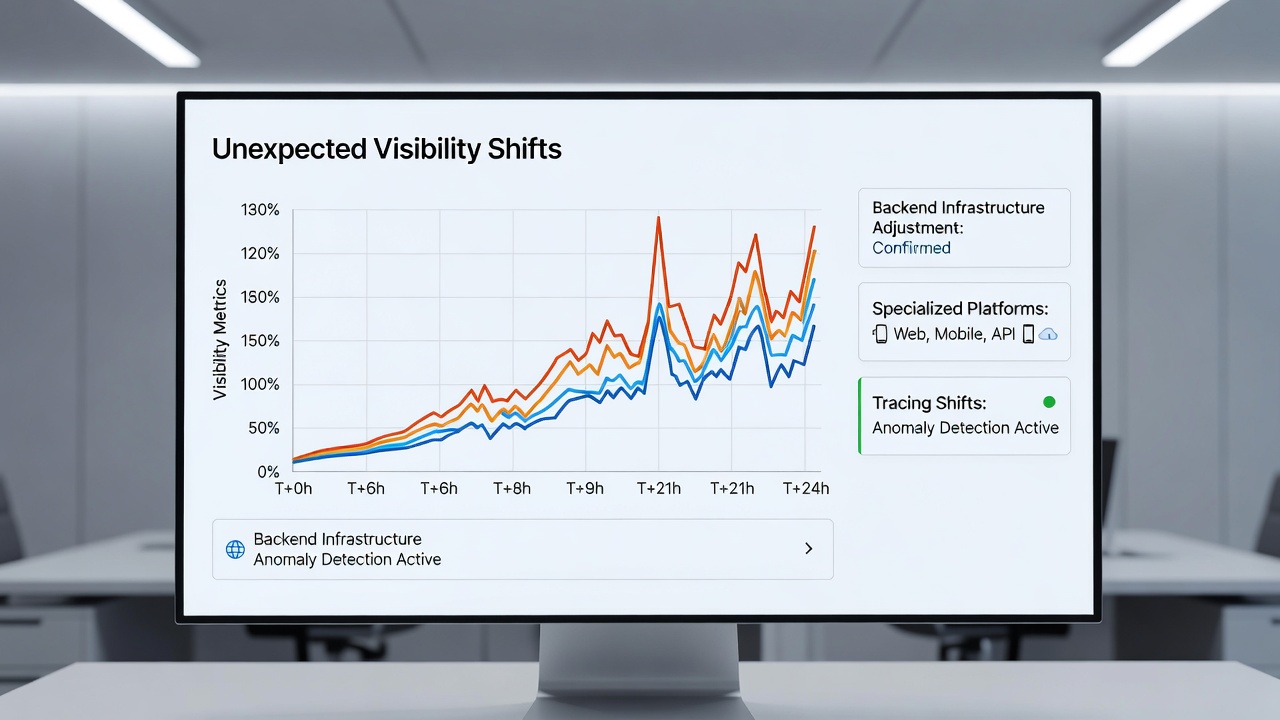
Effective tracing starts with layered logging that captures both server-side events and external crawler behavior simultaneously. Teams combine access logs with third-party rank tracking services to correlate specific backend timestamps against visibility metrics. This approach allows identification of whether a visibility drop coincides with a particular deployment or stems from gradual index decay that began earlier.
Studies conducted across multiple regions indicate that combining server performance data with search console error reports provides clearer causation chains than either source alone. One analysis released by a Canadian research consortium in September 2026 highlighted how API rate limit adjustments on backend services produced delayed indexing errors that took up to nine days to surface in public visibility measurements.
Case Examples from Platform Operators
Take one research group that examined a European health information platform after its migration to a new container orchestration system. The team tracked how changes in session handling affected crawl frequency, resulting in temporary de-indexing of user-generated guideline updates. Recovery occurred once the operators adjusted cache expiration rules to match the new infrastructure's response times.
Another instance involved an Australian academic repository that implemented a regional CDN expansion in mid-2026. Although the change improved load speeds for local users, it introduced geographic variations in how search engines perceived content freshness, causing certain subdomains to lose prominence in international results until canonical tags were reinforced across all edge locations.
Recovery Approaches Backed by Infrastructure Data
Restoration of visibility typically involves systematic re-submission of sitemaps combined with verification that all backend redirects preserve original status codes and metadata. Platform operators also review DNS propagation records because incomplete updates can leave crawlers accessing outdated endpoints that no longer reflect the adjusted infrastructure.
Evidence from industry monitoring services demonstrates that platforms which maintain parallel staging environments for testing backend changes experience shorter recovery windows. These environments allow pre-deployment simulation of crawler interactions, reducing the chance that live adjustments will produce unanticipated indexing gaps.
Conclusion
Tracing visibility shifts after backend adjustments requires coordinated analysis of server logs, crawler reports, and metadata consistency across specialized platforms. As infrastructure evolves through 2026 and beyond, operators continue to refine monitoring practices that connect internal changes directly to external discovery outcomes, supported by findings from research institutions and regulatory bodies across different regions.